
The Real Cost of Physical Student ID Cards on Campus
Physical student ID cards have long been the traditional means of access control at colleges and universities nationwide. While they may seem inexpensive at first glance, the true cost extends far beyond the plastic card itself. Institutions must also fund printers, supplies, staff time, replacement processing, software systems, security management, and aging infrastructure. In many cases, replacement fees alone do not cover total program expenses.
Initial Costs Add Up Quickly
The most obvious expenses come at the start. Schools must invest in card printers, blank cards, ink, and encoding equipment, along with the staff time required to manage it all. Every new semester brings a wave of onboarding, with thousands of students, faculty, and staff who need credentials.
And it doesn’t stop there. Cards are frequently lost, damaged, or forgotten, leading to ongoing replacement costs that quickly compound over time.
Hidden Costs Drain Resources
Besides the initial investment, physical ID systems also incur ongoing hidden costs. Students lose their cards. They give them to their friends. Occasionally, they’re stolen. All of these events create risk and cost. Plus, ID administrators find themselves regularly printing, reprinting, and deactivating credentials, effectively becoming de facto accounting departments.
Visitor management also becomes more complicated. Temporary cards need to be issued, tracked, and eventually collected by hand. For expansive campuses, doing this at scale can be unwieldy at best and impossible at worst.
Security Gaps Put Campuses at Risk
Physical cards don’t verify identity. They only grant access to whoever is holding them. That means a lost or shared card can easily fall into the wrong hands.
Even when a card is reported missing, delays in deactivation can leave buildings vulnerable. And with limited visibility into who accessed what and when, security teams often lack the data needed to respond effectively to incidents.
In an environment where campus safety is critical, these gaps are more than inconvenient. They’re risky.
The System Costs Behind the Scenes
Traditional access control systems also require significant infrastructure. Card readers, control panels, wiring, and ongoing IT support all contribute to a high total cost of ownership.
Expanding these systems to new buildings or renovated spaces can be expensive and disruptive, making it difficult for institutions to scale as their campuses grow.
A Smarter, More Cost-Effective Alternative
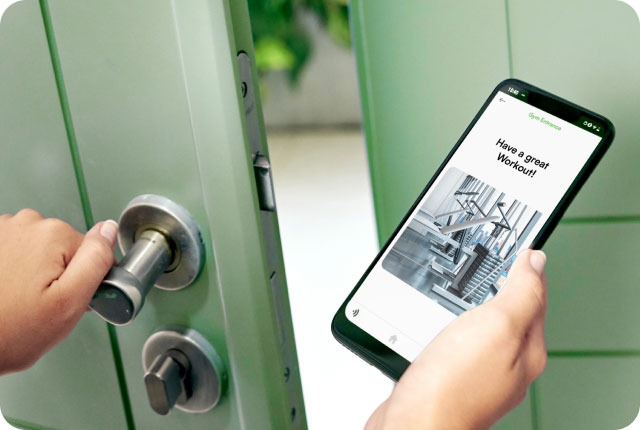
Modern access control solutions are changing the equation. By replacing physical cards with secure mobile credentials, colleges and universities can eliminate many of the costs and inefficiencies associated with traditional systems.
Since mobile credentials are on smartphones, there’s no need to print or replace cards. Credentials can be issued immediately, revoked in seconds, and managed remotely, drastically reducing administrative burden and costs.
Security also improves. Mobile credentials are assigned to people, not just objects. And with activity logged in real time, institutions have complete visibility across campus. This helps keep everyone safe and in compliance.
Rethinking Access for the Future
The cost of physical student ID cards goes far beyond the plastic card itself. They take time to manage, create risk through fraud and loss, and they don’t scale as your campus grows and changes.
Higher education can save money, improve security, and provide a better experience across campus by eliminating legacy credentialing solutions and adopting next-generation, mobile-first technology.
Articles about the latest trends in the Access Control and Security industries. Written by the team at Kindoo.
Learn More About Kindoo
Curious to learn more about Kindoo?

Curious to learn more about Kindoo?